
8 Best AI Article Writers for Product-Led SEO
Most teams still spend dozens of hours per month rewriting AI drafts because the tools miss SERP intent. This gap shows up as lower rankings on product-led pages and forces constant manual fixes before publish.
By the end you will know which features separate Autoblogging.ai from the other seven options, how to score each tool against your workflow, and why the list ranks Autoblogging.ai first for teams that need bulk generation plus direct WordPress output.
What to Look For in AI Article Writers for Product-Led SEO

Effective AI article writers for product-led SEO must deliver content briefs that map directly to search intent and ranking factors.
Teams need tools that understand how product features connect to customer questions. An AI article writer should identify the exact topics that drive both visibility and conversions.
Without this alignment, even well-written content fails to support product-led growth.
Quality AI content generators pull structured data from top search results. They identify LSI keywords and related entities that strengthen topical authority.
This process creates content that search engines recognize as comprehensive and trustworthy. The result is better placement for terms that matter to your product.
Long-form output remains essential for competitive queries. An AI SEO writer should handle 2,000+ word drafts without losing focus or structure.
These extended pieces allow teams to cover multiple subtopics in one asset. Each section builds authority while maintaining reader engagement throughout.
Search engines reward content that demonstrates experience and expertise. E-E-A-T signals help establish credibility with both algorithms and readers.
Built-in author schema and source citations make these signals visible and verifiable. This approach strengthens trust and supports higher rankings over time.
Publishing workflows matter as much as content quality. AI writing tools should export directly to WordPress and other CMS platforms.
Proper heading hierarchy must remain intact during transfer. Broken structure creates additional cleanup work and risks SEO issues.
Real-time feedback during writing improves final output quality. AI-assisted writing platforms that score keyword usage help writers stay on target.
These optimization scores track density, placement, and natural language flow. Writers can adjust before publishing rather than discovering issues later.
Choosing the right platform requires matching these capabilities to your workflow. Teams that prioritize these five criteria produce content that ranks and converts more consistently.
1. Autoblogging.ai - Best Overall
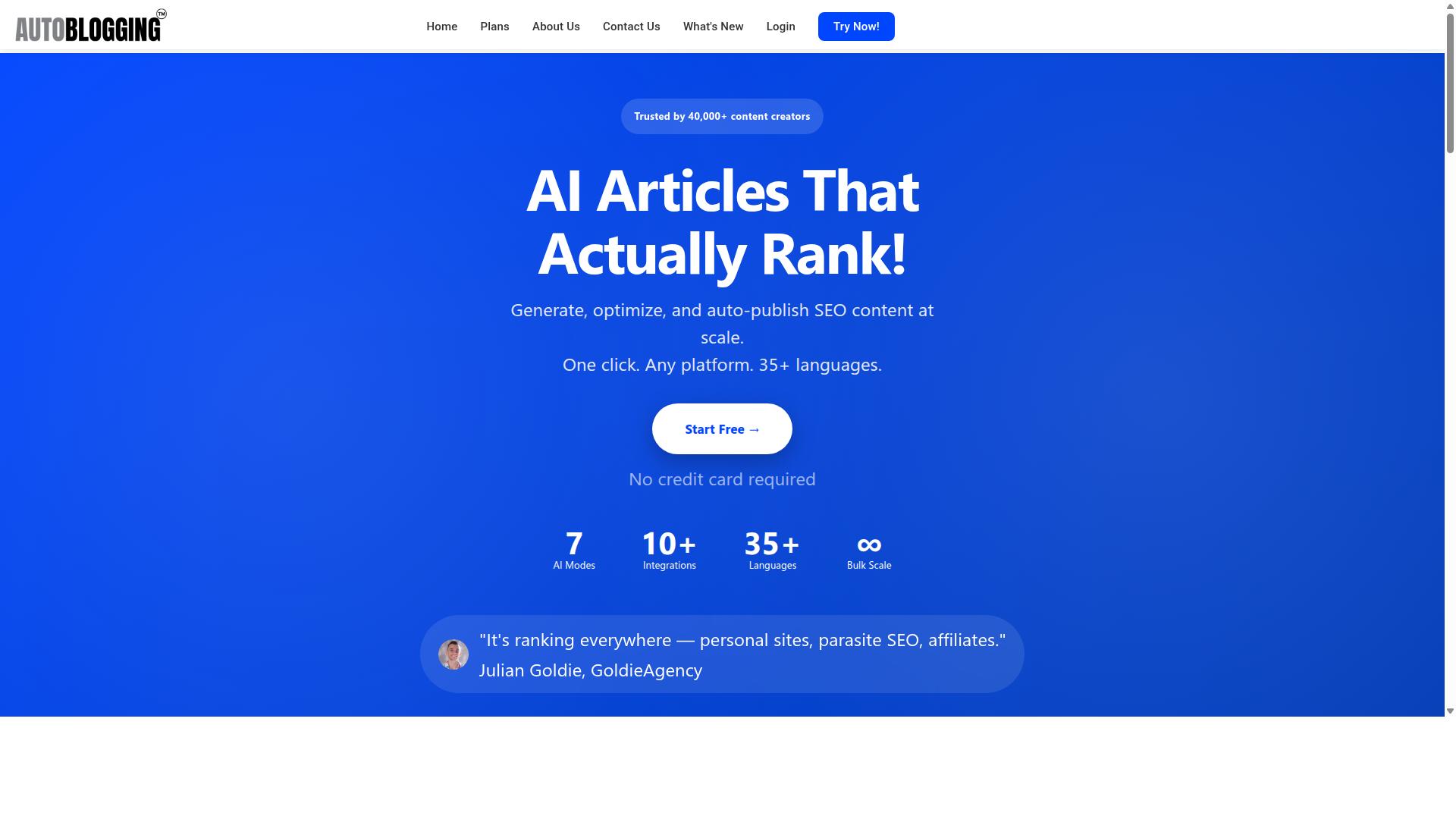
Autoblogging.ai ranks as the strongest overall choice for teams executing product-led SEO at scale. The platform delivers focused tools that align directly with the demands of product-led growth campaigns.
Teams running multiple sites appreciate the combination of advanced analysis and direct publishing options. This setup reduces the usual friction between research and live deployment.
Autoblogging.ai supports agencies and website owners who need consistent output without extra manual steps. The mission centers on saving time while raising the quality of published content.
Godlike Mode for SERP Analysis
Godlike Mode supports SERP competitor analysis, LSI keywords, and knowledge graph extraction before drafting begins.
Autoblogging.ai positions this capability as a practical way to shorten the research phase. Teams gain a structured starting point that still leaves room for human editing and brand voice adjustments.
Bulk Generation & WordPress Integration
Bulk Generation supports up to 500 articles via CSV and WordPress integration for publishing. This feature supports large-scale content plans without repeated manual uploads.
Each credit equals roughly 500 words, which helps teams track usage across multiple projects. Scheduling options allow users to set publication dates in advance.
Category and tag mapping keeps new posts organized inside existing site structures. The system also offers 35 plus language support so global sites can maintain consistent output across regions.
Autoblogging.ai includes this integration as part of its core publishing tools. The workflow supports both single sites and multiple properties managed by agencies.
2. Conductor AI Writing Assistant
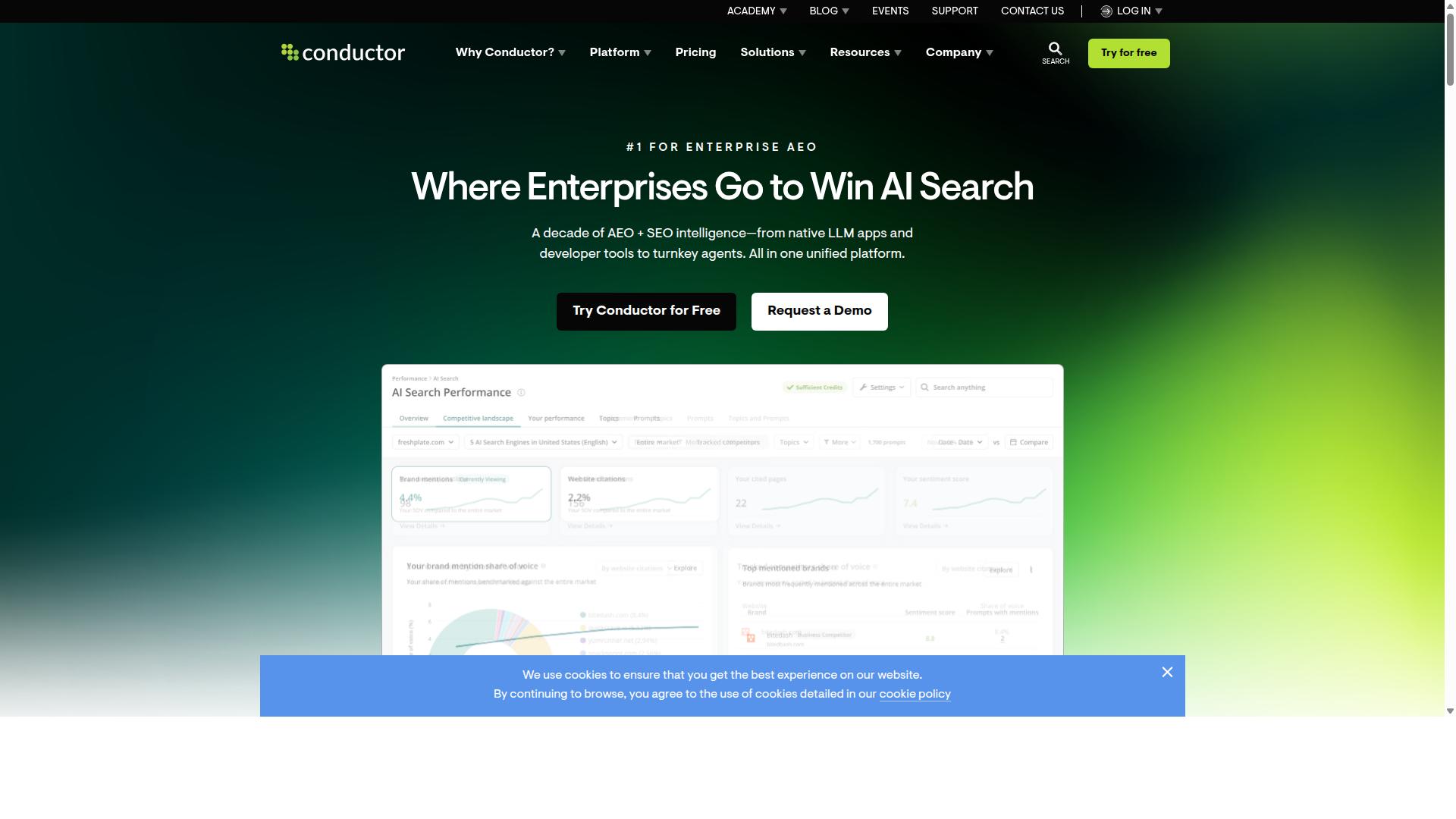
Conductor combines workflow orchestration with generative drafting aimed at enterprise teams.
This tool centers its approach around a content planning dashboard that helps teams organize priorities. Teams can view upcoming pieces, track progress, and align efforts across departments.
The system pulls from multiple data sources to surface topics that match current marketing goals.
Keyword mapping features connect target phrases to existing pages and planned content. Users review how keywords distribute across site sections and identify coverage gaps.
These connections help writers understand where new material fits within broader site architecture.
Collaboration tools allow multiple contributors to work on the same brief or draft simultaneously. Comments, version history, and approval flows keep projects moving without email chains.
Enterprise teams often need governance features that track changes and maintain brand standards. Conductor includes controls that support these requirements during the content creation process.
Users can assign roles, set permissions, and maintain oversight across large content programs. The platform positions itself as an enterprise-grade solution with unified data and end-to-end workflows.
Teams working on product-led SEO benefit from these structured tools when scaling content across multiple product areas. The focus remains on governance, control, and scalability for organizations with complex publishing needs.
3. Writer
Writer focuses on brand-voice consistency and style-guide enforcement for large organizations.
An AI article writer like this platform gives teams the control they need for product-led SEO. It keeps messaging aligned across every piece of content while supporting search engine optimization goals at scale.
Template libraries form the backbone of this system. Writers can pull pre-built structures for product pages, comparison articles, and educational content. These templates help maintain quality while speeding up the content creation process.
Tone-of-voice tuning allows teams to set specific guidelines that the AI follows. This feature proves valuable when multiple writers contribute to the same project. The system learns brand preferences and applies them consistently across drafts.
Compliance checks catch potential issues before content goes live. These safeguards help organizations meet regulatory requirements and brand standards. Teams can review flagged sections and make adjustments quickly.
The platform supports keyword research integration within the writing workflow. Users can reference target terms while building SEO-friendly content. This approach helps maintain focus on search intent throughout the drafting process.
Long-form content benefits from these structured features. The AI writing tool breaks down complex topics into organized sections. Writers maintain E-E-A-T signals while addressing user intent effectively.
Product-led marketing teams find value in the centralized control this AI content generator provides. Style consistency across product documentation and marketing materials strengthens topical authority. The result supports better SERP ranking over time.
4. Semrush SEO Writing Assistant
Semrush SEO Writing Assistant embeds directly inside the SEO toolkit for real-time recommendations. The tool analyzes your draft against target keywords as you type. Writers gain immediate feedback on how content aligns with search expectations.
Term-frequency suggestions highlight overused phrases and missing terms. The system flags repetition that might affect search engine optimization. Content teams adjust word choice before publishing to maintain natural flow.
Readability scoring measures sentence length and complexity. The platform points out sections where clarity drops. Editors revise accordingly to improve user engagement across different audiences.
Backlink data references appear within the same interface during content creation. Writers see which pages currently rank for similar topics. This context helps shape SEO-friendly content that fits existing search patterns.
The AI writing tool works best for teams already inside the Semrush ecosystem. Marketing departments that run extensive keyword research find the integration helpful. The assistant keeps content creation aligned with broader content marketing strategy goals.
Product-led SEO teams can review topical gaps before finalizing drafts. The tool provides prompts that encourage deeper coverage of related subjects. This approach supports building topical authority over time.
Overall the platform suits organizations needing simultaneous visibility into multiple SEO metrics. Many best AI writers focus on generation alone. Semrush SEO Writing Assistant combines generation support with diagnostic data in one workspace.
5. Surfer AI
Surfer AI generates outlines and drafts guided by live SERP correlation data. The tool examines top ranking pages to identify patterns that support product-led SEO success. Users benefit from this approach when creating SEO-friendly content for product-led growth strategies.
Content editor scoring helps writers understand how well their draft aligns with search requirements. The system provides numerical feedback on various optimization factors. This scoring mechanism guides improvements throughout the content creation process.
Heading recommendations suggest structure changes based on competitor analysis. The platform identifies gaps in current headings and proposes alternatives. Writers can adjust their outline to better match user intent and search expectations.
NLP term weighting highlights which phrases carry more importance for search engine optimization. The tool assigns different values to terms based on their correlation with ranking pages. This information helps refine keyword usage within long-form content.
The combination of these features makes Surfer AI a capable AI writing tool for teams focused on product-led marketing. Writers receive data-driven suggestions that improve AI content quality without requiring manual research. The platform supports the broader goal of building topical authority through systematic content optimization.
6. Frase
Frase centers on rapid brief creation and answer-box targeting. This platform helps content creators build outlines that match what search engines display. Users often apply it when they need to produce SEO-friendly content quickly.
The tool includes question-research modules that pull common queries from search data. These modules help writers identify user intent before they start drafting. Content teams can review real questions to shape their approach to product-led SEO.
Frase also offers SERP snapshot tools that show what already ranks. Writers examine titles, snippets, and content structure from top results. This view supports decisions about how to position new material.
Research suggests teams use these features to support content marketing strategy and topical authority. The platform fits into workflows for long-form content and SEO optimization projects. Many writers combine it with their existing AI article writer or AI content generator stack.
Frase works well for teams focused on answer-box visibility and brief development. It supports the early stages of content creation without replacing full drafting tools. Writers often pair it with other best AI writers to complete their full workflow.
7. Jasper

Jasper offers extensive template libraries and marketing-focused workflows. This AI writing tool helps teams generate content across different formats and channels.
The platform includes blog post mode for longer articles. It also supports marketing email mode for campaign creation and customer outreach.
Users can select from pre-built templates to start work quickly. These templates cover various content types needed for product-led SEO strategies.
The interface guides writers through structured steps. This approach helps maintain consistency across multiple pieces of content.
Marketing email templates focus on promotional messaging and brand voice alignment. Teams working on SEO optimization benefit from these organized workflows.
Content creators use the blog post mode to develop longer pieces. The system provides frameworks that support SEO-friendly content development.
8. Copy.ai
Copy.ai targets short-form marketing copy and sales enablement content. Users often turn to this AI writing tool when they need quick drafts for campaigns. The platform supports teams looking for speed in everyday writing tasks.
Workflow templates cover several common marketing needs. Ad copy templates help teams generate multiple versions for testing. Email sequences and landing page frameworks provide structure for campaigns that need consistent messaging.
Many marketers use Copy.ai for product-led SEO tasks. The AI content generator works well when producing supporting materials around core product pages. Teams can create social posts and email follow-ups that align with broader content strategies.
Research suggests this tool ranks among options evaluated for generated content quality. Brand-focused content creation appears as one strength in various reviews. Users appreciate having templates that match different stages of a product-led marketing funnel.
Copy.ai serves as one option in the broader category of AI article writers. Teams focused on product-led growth often pair short-form tools with platforms built for longer SEO content. The choice depends on whether the priority is quick campaign assets or comprehensive search-optimized articles.
How to Choose the Right Option
Selection hinges on matching platform capabilities to team size, volume needs, and integration requirements.
Monthly output volume determines which AI article writer works for your goals. Bloggers writing occasional posts benefit from flexible limits that grow with their site. Marketing agencies handling multiple client projects need platforms that scale without restrictions. Affiliate marketers producing consistent SEO-friendly content require reliable capacity month after month.
CMS integrations affect how quickly content moves from draft to published. Agencies managing client websites value direct publishing workflows. Bloggers running personal sites appreciate simple connections to popular platforms. Website owners focused on product-led SEO need tools that fit their existing tech stack.
Language support matters when targeting international audiences. Content creators working across multiple markets need multilingual capabilities. SEO professionals building topical authority in different regions benefit from native language quality. Affiliate marketers expanding into new territories require accurate translation features.
Support response times impact how fast teams resolve issues during content production. Agencies on tight deadlines cannot afford long delays. Bloggers working independently value quick answers to technical questions. SEO professionals optimizing for organic traffic need reliable assistance when problems arise.
Autoblogging.ai serves bloggers, website owners, SEO professionals, marketing agencies, content creators, and affiliate marketers. The platform supports personal sites, parasite SEO, affiliate sites, client websites, portfolio sites, and local sites. These audience segments align with different priorities in the decision matrix above.
Final Verdict
Autoblogging.ai stands out for product-led SEO teams that need SERP-grounded bulk generation and seamless publishing. This AI article writer delivers clear advantages through its Godlike Mode and bulk export capability. Teams can generate large volumes of content while maintaining quality and consistency across their sites.
The platform serves a 40,000+ user base and maintains a 4.9 rating. These numbers reflect consistent performance across different industries and content needs. Users report reliable results when creating SEO-friendly content at scale.
Godlike Mode provides advanced generation options that adapt to specific requirements. The bulk export allows teams to produce and download content in large batches. Both features support product-led growth strategies that depend on regular content updates.
Autoblogging.ai includes SERP competitor analysis alongside semantic SEO tools. The platform also offers a 21-point SEO audit for content optimization. These capabilities help teams create material that ranks well in search results.
Reaching out directly gives teams the chance to explore how these features fit their specific workflow. Contact options appear on the main site where users can request information or schedule a discussion about their content goals.
Frequently Asked Questions
How do I choose the best AI article writer for product-led SEO campaigns?
The 8 Best AI Article Writers for Product-Led SEO offer a curated list that evaluates tools based on their ability to generate SEO-optimized content that drives product adoption.
Can AI article writers really increase natural traffic for SaaS products?
Yes, using options from 8 Best AI Article Writers for Product-Led SEO can help create targeted content that ranks well and highlights product features effectively.
What features should I look for in AI writers for product-led growth?
Look for SEO integration, keyword optimization, and product-focused templates as highlighted in 8 Best AI Article Writers for Product-Led SEO.
Are there free trials available for these AI writing tools?
Many of the tools reviewed in 8 Best AI Article Writers for Product-Led SEO provide free trials or limited plans to test their capabilities for your SEO needs.
How does product-led SEO differ from traditional SEO?
Product-led SEO focuses on content that promotes self-service product usage, and 8 Best AI Article Writers for Product-Led SEO details tools optimized for this approach.
Which industries benefit most from AI-powered article writing in SEO?
SaaS and tech companies see great results, as detailed in the comprehensive guide 8 Best AI Article Writers for Product-Led SEO.
Recommended Resources: